Windows, doors and shutters for UK homes
Window Shutters Guide for UK Homes
7 November 2026
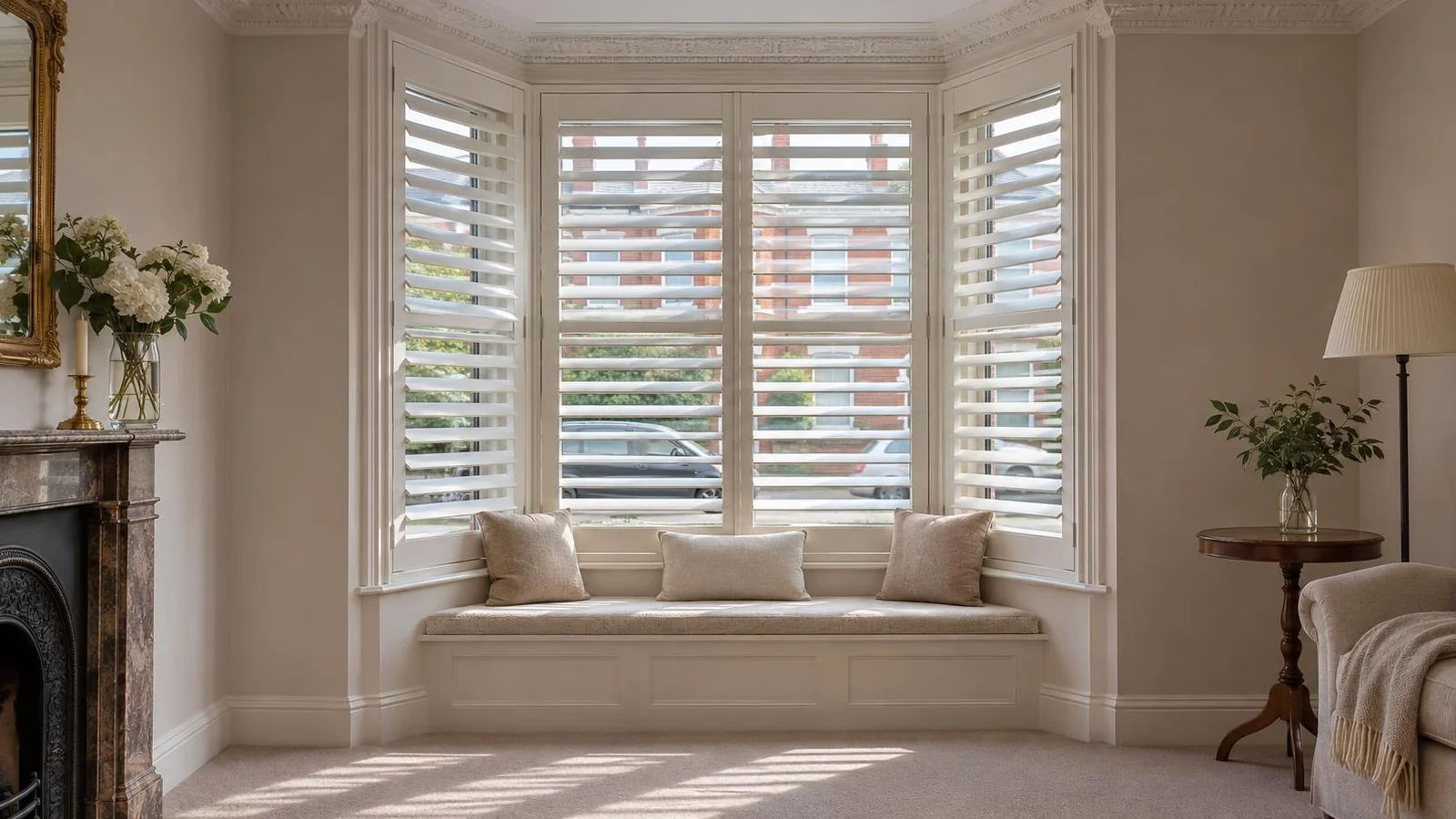
Window shutters guide for UK homes: start here if you want more privacy, better light control or a warmer room. We cover the main styles and materials, what affects the cost, fitting, and the rules for listed homes and conservation areas.
Quick answer: Pick the style by how you use the room, pick the material by how damp the room gets, and have the windows measured properly. Internal shutters don't usually need planning permission, but listed homes can need consent and external shutters can be restricted.
Key Takeaways
The main shutter types are plantation, solid panel, café style, tier-on-tier and full height.
Material, window size and window shape all affect the cost.
Listed homes and conservation areas can have extra rules, especially for external shutters.
Privacy, warmth and upkeep vary by shutter type and how well they're fitted.
Made to measure shutters can solve awkward window shapes, and DIY options exist for standard windows.
Types of window shutters: options for every UK home
Choosing the right shutter starts with the types of window shutters commonly found in UK homes. The main ones are plantation, solid panel and café style, and each has its own advantages.
Plantation shutters: the modern classic
Plantation shutters have wide, adjustable louvres (slats), which let you control light and privacy. Their crisp lines suit both modern and period homes.
Solid panel and café style: tradition and versatility
Solid panel shutters suit traditional homes and block out more light, which makes them useful in bedrooms and street-facing rooms. Café style shutters cover only the lower part of the window, so you keep your privacy and still get daylight at the top.
Tier-on-tier and full height: flexibility in function
Tier-on-tier shutters have two sections that open independently, so you can open the top and keep the bottom closed. Full height shutters cover the whole window, which gives a clean look in flats and terraces alike.
Selecting the best window shutters for British homes
Match your choice to your property's age, the window shape and your main priorities. The best window shutters for British homes are the ones that suit how you use each room.
How to choose window shutters: key considerations
Start with what you want to achieve: privacy, warmth, less noise or a particular look. Measure your windows carefully and note their shape, because bay windows need specialist attention. Think about how often you'll open the shutters, and whether you prefer painted or natural wood finishes. If you can, see samples in person before you decide.
Custom window shutters in the UK: benefits and process
Custom shutters suit homes with non-standard windows. A made to measure set gives a closer fit, handles awkward angles and usually offers more colours and finishes. Our article on made to measure shutters and what to expect explains each stage.
Materials for window shutters: what works where
The right materials for window shutters affect how they look, how they last and what they cost. The main choices are hardwood, MDF and vinyl.
Hardwood: a natural, classic look
Hardwood shutters, often made from basswood, offer a natural grain and a classic look. They usually cost more than MDF or vinyl, and they need a good finish to cope with damp rooms. Many people choose them for living rooms and bedrooms.
MDF and vinyl: value and practicality
MDF shutters are usually the budget choice and are stable, which suits busy family homes. They're heavier than hardwood and less suitable for bathrooms. Vinyl shutters are lighter, water-resistant and easy to clean, so they suit kitchens and bathrooms, though they can look less natural.
Material |
Best For |
Main Pros |
Drawbacks |
|---|---|---|---|
Hardwood |
Living rooms, period homes |
Natural grain, classic look |
Higher cost, needs sealing |
MDF |
Busy family rooms, rental properties |
Affordable, stable |
Heavy, not for wet areas |
Vinyl |
Kitchens, bathrooms |
Water-resistant, easy care |
Less natural look |
Window shutter styles and designs
From classic white to bold colours, and from narrow louvres to wide, the choice of window shutter styles and designs is vast. Matching the colour to your window frames gives a coordinated look. Shutters can also be shaped for arched or round windows.
Fitting, energy efficiency and the rules
Good fitting matters for both looks and performance, so it's worth understanding your options and the rules before you order.
Window shutter installation guide: professional vs DIY
DIY window shutter installation is possible if you're confident and your windows are simple. Uneven walls and bay windows are harder, which is why many people use a professional fitter. Fitters usually measure, order and fit the shutters, and many offer a guarantee.
Window shutter regulations: what to know
Internal shutters don't usually need planning permission, but listed homes are a special case. Listed building consent is needed for any significant works, inside or out, and Historic England says unauthorised works to a listed building are a criminal offence.
External shutters can be restricted too, especially in conservation areas. The Planning Portal explains the planning rules for doors and windows (planningportal.co.uk), and your local planning authority can tell you what applies to your home.
Window shutters for energy efficiency
Shutters can make a real difference to heat loss on older windows. Historic Environment Scotland says (historicenvironment.scot) timber shutters reduce heat loss from sash windows by 51%. That figure is for traditional sash windows, so don't expect the same result on every home. A snug fit matters, and shutters only help when they're closed.
Shutters won't cure a failing window, though. If yours is draughty or rotten, read our guide on window repair or replacement and how to decide first.
Common issues with window shutters
Over time, even well-fitted shutters can develop squeaky hinges, loose panels or sticking louvres, especially in damp rooms. Gentle cleaning with a soft cloth and a non-abrasive cleaner helps prevent most problems. Ventilate damp rooms, avoid soaking wood and check your shutters once a year.
Cloudy glass behind the shutters is a separate fault, and our article on why double glazing mists and whether it can be fixed explains the cause.
Where to buy window shutters in the UK and comparing providers
There are plenty of places to buy window shutters in the UK, from national chains to local specialists. For custom shutters, look for established installers with positive reviews, clear pricing and written guarantees. Ask to see previous work, and clarify what's included: survey, manufacturing, fitting and aftercare.
Comparing the cost of window shutters
The cost of window shutters varies by material, style, window size and how complex the fitting is. Bay windows and custom shapes tend to cost more, and MDF and vinyl usually cost less than hardwood. Ask for itemised quotes that show fitting and VAT, then compare like for like.
What to ask a shutter installer
Ask about lead times, guarantees and after-sales support. A reputable provider will explain how long manufacture and fitting will take, and what happens if you spot a defect after installation.
Frequently Asked Questions
Do special rules apply to listed properties?
Yes. Listed homes may need listed building consent for shutters, even internal ones, and homes in conservation areas may face extra restrictions. Check with your local planning authority first.
Can I install window shutters myself?
DIY is possible for straightforward windows with basic tools. For bays, large spans or period homes, a professional fitter is more likely to give a good fit and finish. Poor fitting can affect performance and may affect any guarantee.
What are the best window shutters for British homes with sash windows?
Tier-on-tier or full height shutters work well with sash windows, giving you flexibility and keeping the period character. Made to measure shutters suit the irregular sizes often found in older homes.
How do I maintain window shutters?
Regular dusting, occasional damp wiping, and prompt attention to any sticking or squeaking keeps shutters functioning and looking smart. Avoid strong chemicals and always dry wooden shutters thoroughly after cleaning.
Are window shutters worth the investment?
They can be, if you want more privacy, better light control or a warmer room. The value depends on your windows and how you use the room, so weigh each quote against what you want the shutters to do.
Before you order, think about whether the windows behind the shutters need attention too. Our replacement window guide sets out what to check if you decide to replace them.