Windows, doors and shutters for UK homes
Why Is My Double Glazing Misted and Can It Be Fixed?
7 November 2026
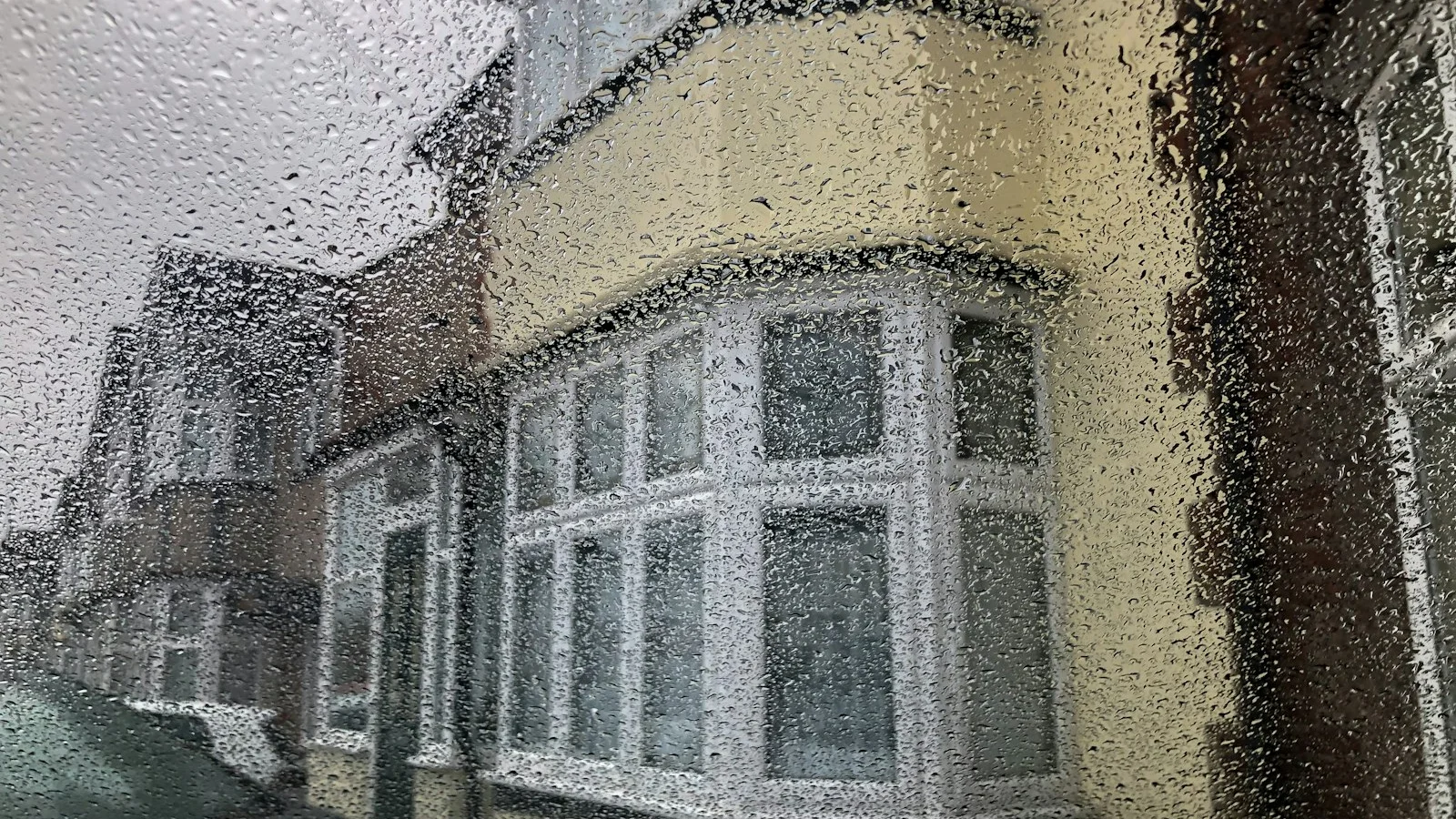
Why is my double glazing misted and can it be fixed? It's misted because the seal around the glass unit has failed, which lets moist air into the gap between the panes. It can usually be fixed by replacing the sealed unit, without changing the frame.
Quick answer: Double glazing mists when the seal fails and moisture gets between the panes. You can't wipe it away, but a glazier can usually replace the sealed glass unit and keep the frame. If the frame is damaged or worn out, a new window may make more sense.
Key Takeaways
Misted double glazing is a sign the seal has failed, letting moisture form condensation between panes.
Most misted double glazing can be fixed by replacing the sealed glass unit, not the whole window.
The cost depends on the size and type of glass, so ask for a written quote.
A local double glazing specialist can measure the unit and tell you if the frame is worth keeping.
Knowing why your double glazing is misted helps you speak confidently with installers.
Why is My Double Glazing Misted and Can It Be Fixed?
What Causes Double Glazing to Mist?
The main reason double glazing becomes misted is a failed seal around the glass unit. When the seal breaks down, humid air gets into the gap between the panes and condenses there. That's why you get a cloudy look you can't wipe away.
Double Glazing Condensation Explained
Condensation on the inside or outside of the glass is usually down to room humidity or the weather, and it's a different fault. Fogging between the panes means the sealed unit has failed, and no amount of wiping will clear it.
If you're weighing up a bigger job, our guide on window repair or replacement and how to decide sets out the options.
Is Misted Double Glazing a Serious Problem?
How Misting Affects Your Home
Many people ask, "is misted double glazing a problem?" It's more than cosmetic. The sealed gap between the panes is part of what insulates the window, so a failed seal can reduce how well it performs.
Impact on Your Home
A misted window spoils your view, and it can put off buyers and tenants because it suggests a repair is waiting. Condensation on frames and walls is a separate issue, but it still needs attention, because GOV.UK guidance says condensation is one of the most common causes of damp and mould in homes.
How to Fix Misted Double Glazing
Can Misted Windows Be Repaired?
Most double-glazed units with condensation between the panes can be dealt with. The standard fix is to replace the sealed glass unit, also called an insulated glass unit (IGU), which is less work than replacing the whole window. A glazier measures the existing unit and fits a new one in the original frame.
Repair vs Replacement: When is Each Needed?
If your frames, hinges and locks are in good condition, fixing misted double glazing usually means just replacing the glass unit. If the window is very old or badly damaged, or you want better energy performance, it may be better to replace the whole window.
Some companies offer demisting, which involves drilling into the unit to dry it out. Treat that with caution, because it doesn't replace the failed seal and it could affect any guarantee you have.
Solution |
Best For |
Drawbacks |
|---|---|---|
Replace Sealed Glass Unit |
Misted panes, sound frames |
Leaves the frame as it is |
Full Window Replacement |
Old/damaged frames, upgrades |
Higher cost, more disruption |
Demisting (drilling the unit) |
Short-term clarity |
Doesn’t replace the failed seal |
Choosing a Local Double Glazing Specialist
Use a local double glazing specialist with experience of your type of window. A reputable company will give you a clear written quote, explain the process and tell you whether the frame is worth keeping.
Double Glazing Repair Costs: What Affects the Price
What Influences the Cost
We don't give a typical price here, because it depends on the job. Window size, glass type (such as toughened or patterned), the number of units and access all affect the cost. Which? notes that replacing only the glazed unit can be the cheaper route when the fault is in the glass.
Cost of Full Window Replacement
A full replacement costs more, because you're paying for the frame, removal and fitting as well as the glass. Timber or aluminium frames and higher-spec glass can add to that. Get quotes from several installers and check what's included, such as removal, disposal and the guarantee.
Can You DIY?
Some DIY kits claim to clear misting from double glazing, but they don't fix the failed seal, and they could damage your window or affect your guarantee. For a lasting result, have the unit replaced by a professional.
Regulations and Choosing the Right Provider
Double Glazing Installation Standards
The rules depend on the job. In England, replacing a whole window must meet the Building Regulations, either through an installer registered with a competent person scheme, such as FENSA or CERTASS, or through a building control body. Either way you'll get a certificate, which is useful when you sell.
Swapping only the glass unit is a different job. FENSA says it doesn't cover repairs where the frame isn't included, so don't expect a FENSA certificate, and ask your local building control team if you're unsure whether your job needs to be notified.
The Glass and Glazing Federation also publishes guidance for homeowners. Scotland, Wales and Northern Ireland have their own rules, so check with your council if you live there.
Questions to Ask Your Installer
Before you go ahead with any repair or replacement, ask:
If the whole window is being replaced, are you registered with a scheme such as FENSA or CERTASS?
What is the guarantee on new units?
Is disposal of old glass included?
Can you provide references or examples of local work?
Will the replacement match my existing frames and style?
Sorted the glass and want more privacy or a warmer room? Our window shutters guide for UK homes compares the main types.
Solutions and Prevention for Double Glazed Units
How to Prevent Double Glazing Misting
You can't always prevent a seal failing, but good installation and prompt repairs help. Make sure new windows are correctly fitted, and deal with frame movement or damaged seals quickly.
Window Condensation Solutions
To reduce condensation on window surfaces (not between panes), keep your home well ventilated, avoid drying clothes indoors where you can, and use extractor fans or a dehumidifier in problem rooms.
If you go down the shutters route, our article on made to measure shutters and what to expect explains how the process works.
If you have a question, get in touch with our team.
There is more advice on our blog.
Frequently Asked Questions
Why is my double glazing misted and can it be fixed quickly?
Double glazing mists when the seal fails and lets moisture inside. It can usually be fixed by replacing the sealed glass unit, but units are often made to size, so ask how long a new one will take to arrive.
Are there any risks to leaving misted double glazing untreated?
The main effects are a blurred view and weaker insulation from that window. A failed unit won't clear up by itself, so it's worth getting it checked.
How do UK double glazing repair services differ from replacements?
Repair services typically replace just the failed glass unit, which is faster and cheaper. Full replacements involve removing the entire window and frame, which is only needed if there's extensive damage or you want to upgrade the window's overall performance.
What should I expect from a reputable local double glazing specialist?
Expect a clear written quote and a written guarantee. They should assess your windows, explain the process and, if they're replacing a whole window, show how the work will meet the Building Regulations.
Why do windows get foggy and how can I stop it happening again?
Fogging between the panes is caused by a failed seal, and a well-fitted new unit should solve it. Condensation on the room side of the glass comes down to humidity and ventilation.
If you're still deciding whether to fix the glass or replace the window, start by checking the frame. Our replacement window guide sets out what to look at before you commit.