Windows, doors and shutters for UK homes
Made to Measure Shutters: What to Expect
7 November 2026
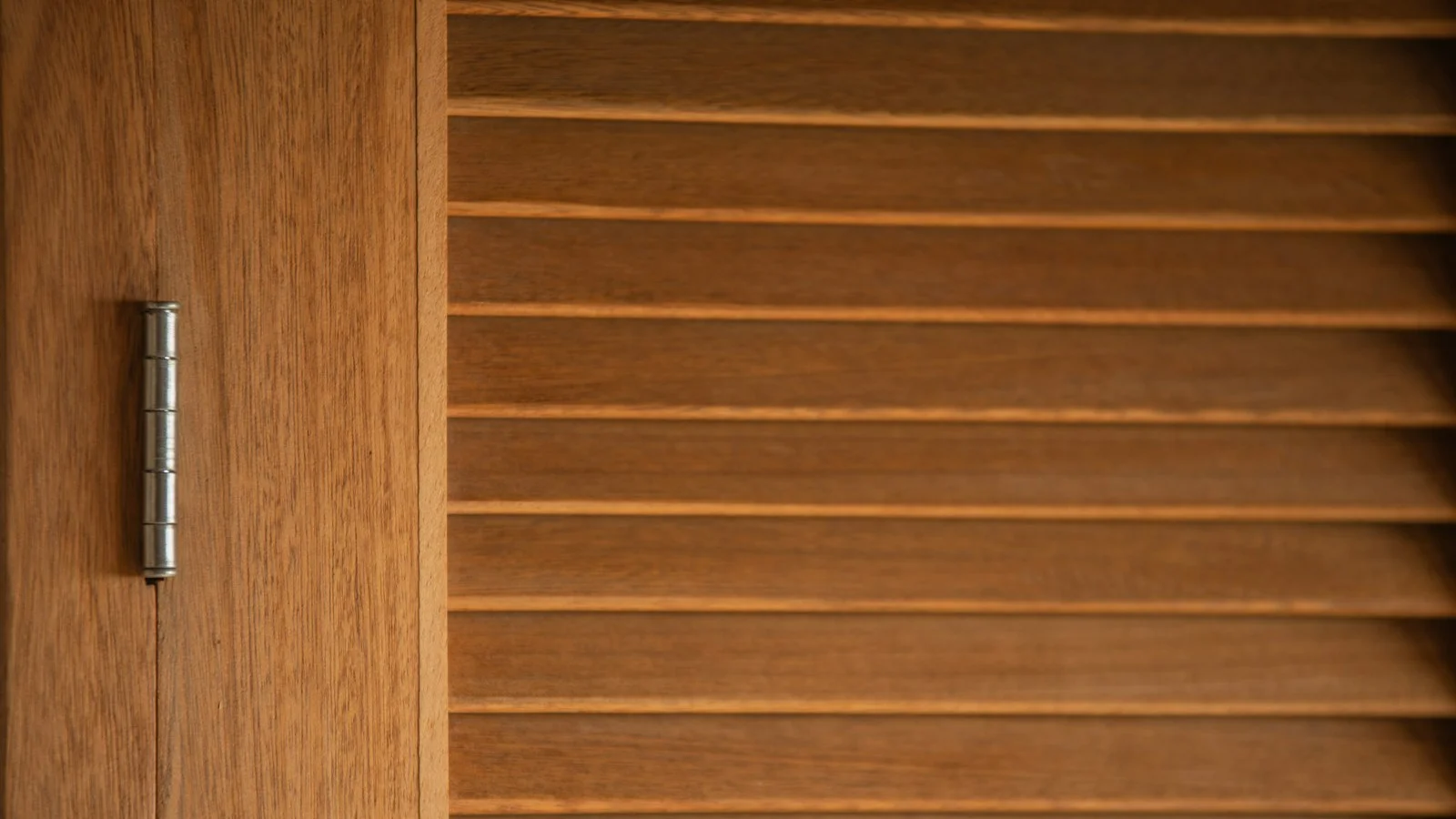
Made to measure shutters: what to expect is simple enough in outline. You'll have a consultation, a survey, a wait while the shutters are made, then a fitting visit. Here's what happens at each stage, and what to check along the way.
Quick answer: Expect a design consultation, precise measuring, a written quote, a wait for manufacture and then a fitting visit. Costs and lead times vary by material, window size and shape, so ask for both in writing before you order.
Key Takeaways
Made to measure shutters are built to fit your windows, which suits awkward shapes and out-of-true walls.
The process includes consultation, measuring, design selection, custom manufacturing, and professional fitting.
Costs vary by material, window size and shape, so ask for an itemised quote.
Listed homes and conservation areas can have extra rules, so check before you order.
Knowing each stage helps you talk to installers with confidence and compare them fairly.
Made to Measure Shutters: What to Expect at Every Stage
Initial research and design consultation
Reputable companies offer a design consultation, either in person or virtually. This is your chance to discuss your priorities, such as privacy, light control, warmth or looks, and to see shutter design options. A consultant can help you compare materials, finishes and control options for your home.
The consultant should listen to your goals, explain the pros and cons of styles like tier-on-tier, café style or solid panel shutters, and suggest what suits your window shapes. If you live in a listed home or a conservation area, ask about the rules, but check with your local planning authority as well.
Precise measuring and tailored quote
Next, a surveyor or fitter visits to take exact measurements. This is a crucial step in the shutter installation process, because even small errors can lead to ill-fitting shutters or delays. They'll consider recess depths, frame types, handles and any out-of-true walls, which are common in older properties.
You should then get an itemised quote showing materials, finishes, fitting and VAT, so you can compare like for like. Check what guarantee and aftercare are included.
The survey is also a good moment to look at the windows themselves. If the frames are in poor shape, work out whether to repair or replace them before you order.
Design Choices: Materials, Styles and Personalisation
How to choose shutters for windows
The right shutters depend on your home's style, window sizes and how you use the room. At this stage you'll choose between full height shutters, tier-on-tier for flexibility, or café style for a lighter look. Shaped windows, such as arches and bays, can be made to fit.
Each style has its benefits. Tier-on-tier shutters let you open the top and bottom panels separately, which helps on busy streets, while solid panel shutters block more light. Consultants will also help you choose slat width, hinges and control options.
Materials for custom shutters and finishes
You can choose from a range of materials for custom shutters. Hardwoods, including basswood, give a natural wood look, while MDF is a budget-friendly choice with a smooth painted finish. Polyvinyl shutters are water-resistant, which suits bathrooms and kitchens. The finish, whether paint, stain or a custom colour, personalises the look.
Material |
Properties |
|---|---|
MDF |
Affordable, smooth, good for painted finishes |
Basswood |
Lightweight, natural look |
Hardwood |
Premium look, classic grain |
Polyvinyl |
Water-resistant, easy-care, suits humid rooms |
Your choices at this stage affect cost, lead times, and maintenance needs. Ask your consultant about the pros and cons of each material, especially if you’re fitting shutters in areas with high moisture or temperature variation.
Ordering, Manufacturing and the Installation Process
Placing your order and lead times
Once you've approved the design and quote, your order is placed and the shutters are made to your specification. Lead times vary with material and demand, so ask for an estimate in writing. A good provider will keep you informed and confirm a fitting date.
What to expect on installation day
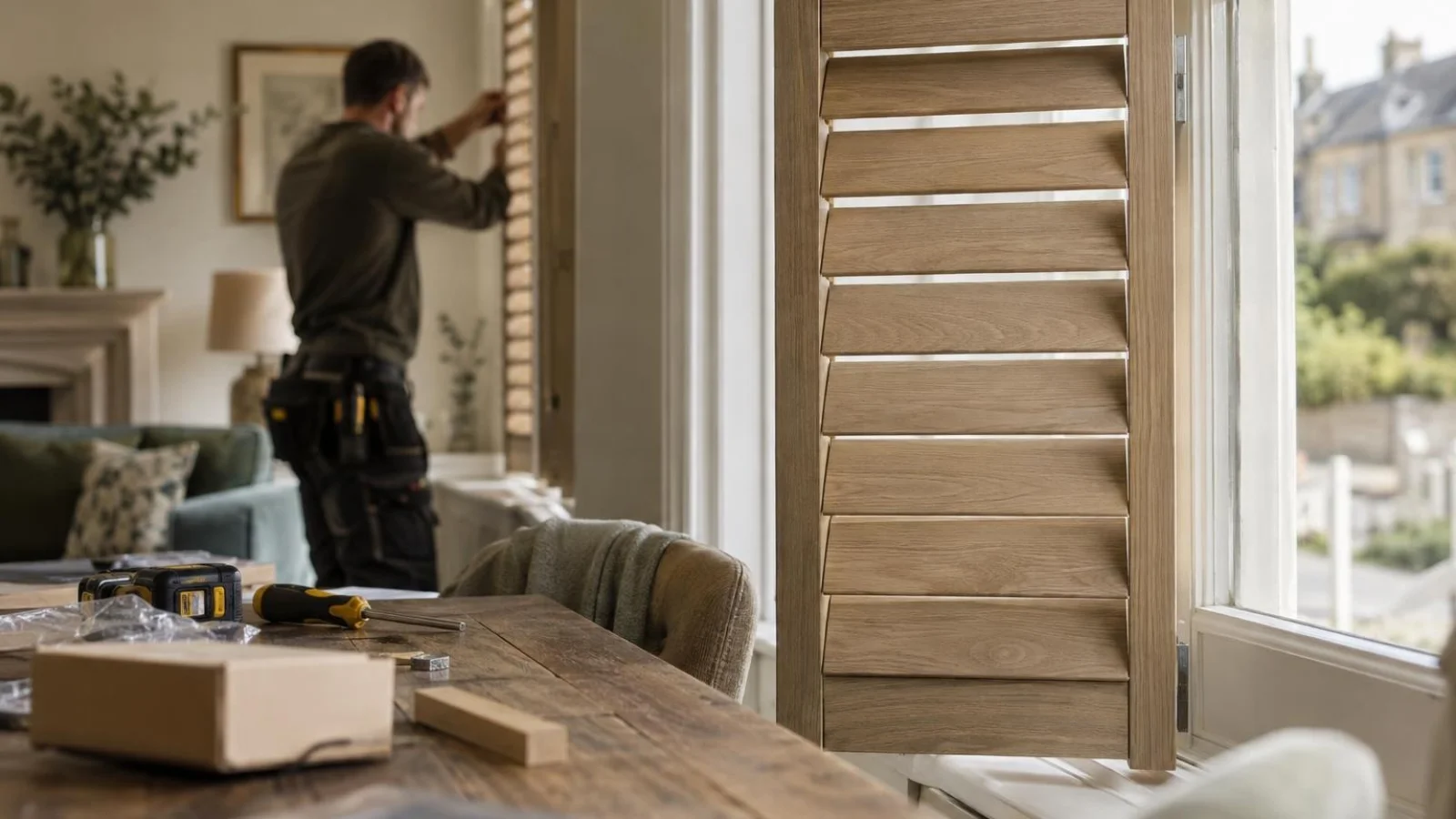
On the day, a fitter will bring your shutters, check the parts and fit each one. The job takes longer for shaped windows and multiple rooms, so ask how long to allow. The fitter should test each shutter, make any adjustments and show you how to operate and clean them.
Professional fitting reduces the risk of common issues such as misaligned panels and sticking hinges.
Aftercare: Shutter maintenance tips and support
With your made to measure shutters in place, looking after them is simple. Dust regularly with a soft cloth, clean gently where needed, and deal with minor issues such as loose screws quickly. If you notice a fault, contact the installer promptly and check what your guarantee covers.
Shutter Regulations and Common Issues
Understanding the rules for shutters
Internal shutters don't usually need planning permission. Listed homes are different, because listed building consent is needed for any significant works, inside or out, and homes in conservation areas may face extra restrictions.
External shutters are more likely to need checking, so speak to your local planning authority before you order. The Planning Portal explains the planning rules for doors and windows (planningportal.co.uk).
Common issues with made to measure shutters
The most frequent pitfalls are inaccurate measurements, poor installation and delays. Warping can happen if the wrong material is chosen for a damp room, and colours or hardware can also disappoint. To avoid these problems, choose a provider with a solid reputation, and insist on a clear contract and a written guarantee.
Some faults aren't down to the shutters at all. If you notice cloudy glass behind them, our article on why double glazing mists and whether it can be fixed explains the cause.
Cost of bespoke shutters: what affects the price?
The cost of bespoke shutters depends on material, window size, design complexity, finish and fitting. MDF is usually the most affordable choice, while hardwood and custom colours tend to cost more. Shaped windows or specialist hardware can add to the price, so ask for a fully itemised quote, including delivery and fitting, before you commit.
Comparing Custom Shutters to Other Window Coverings
Made to measure blinds vs. shutters
Homeowners often weigh up made to measure blinds against shutters. Both can be made to fit, but shutters tend to give more privacy when closed, while blinds can give a softer look. Each comes in a range of colours and materials, so your choice depends on budget, function and taste.
Why choose bespoke window coverings?
Choosing bespoke window coverings means the size, shape, finish and fittings are all tailored to your home. That's especially useful where window sizes and shapes vary, as they often do in older homes. Our window shutters guide for UK homes compares the main styles and materials.
If you have a question, get in touch with our team.
There is more advice on our blog.
Frequently Asked Questions
How long does the entire shutter process take?
It varies by provider, material and demand. Ask for an estimated timescale at the quote stage, covering measuring, manufacturing and fitting.
Can I fit made to measure shutters myself?
DIY installation is possible, but it isn't right for every window. A professional fitter is more likely to give you a good fit, and DIY fitting may affect your warranty, so check first.
Are made to measure shutters suitable for rental properties?
Yes, they suit both owned and rental homes. MDF and polyvinyl are usually the lower-cost choices, and polyvinyl suits humid rooms.
Do I need permission to fit shutters in the UK?
Internal shutters don't usually need planning permission, but listed homes may need listed building consent, and conservation areas may have restrictions. Check with your local planning authority first.
What should I look for in a UK shutter supplier?
Choose a reputable supplier with positive reviews, clear contracts and good aftercare. Ask about guarantees and examples of previous installations.
Ready to start? Note what you want from the shutters, then get itemised quotes to compare. If the windows themselves need work first, our replacement window guide explains what to check.